Skin Care Education
Deep Tissue Massage
A firm, targeted massage technique that works on the deeper layers of muscle and connective tissue. In aesthetic practice, it is used to support body contouring results, improve circulation, and help break down stubborn fibrous tissue.
Table of Contents
What Is Deep Tissue Massage in Aesthetics?
Deep tissue massage is a massage technique that applies sustained, firm pressure to reach the deeper layers of muscle and connective tissue beneath the skin surface. In a general therapeutic context it is used to relieve chronic muscle tension and pain. In aesthetic practice, it has a more specific set of applications focused on supporting body treatments, improving the appearance of the skin and underlying tissue, and enhancing the results of other contouring or cellulite treatments.
The most common aesthetic applications of deep tissue massage include its use as a complement to fat freezing treatments, where it is applied immediately after the procedure to help break up the treated fat cells and improve their elimination; its use in cellulite management, where consistent deep massage helps break down the fibrous bands that pull skin down over fat deposits to create the dimpled appearance; and its use for lymphatic drainage, where specific massage techniques encourage the movement of fluid through the lymphatic system, reducing puffiness, improving skin tone, and supporting the body’s natural detoxification processes.
Deep tissue massage in an aesthetic context is typically applied to the body rather than the face. Facial massage, which uses lighter and more specific techniques, is a distinct practice. Body-focused aesthetic massage requires a trained therapist who understands both the massage technique and its specific aesthetic applications, as the pressure, direction, and approach used for body contouring support differs from a standard sports or therapeutic massage.
What to Expect
A deep tissue massage session in an aesthetic context typically begins with the therapist reviewing the treatment goals and any recent procedures or treatments that are relevant. The massage is performed using firm, sustained pressure applied with the hands, forearms, or specific tools designed to reach the deeper tissue layers.
The sensation is more intense than a light relaxation massage. Most people experience some discomfort in areas of tension or where fibrous tissue is present, which is a normal part of working on deeper tissue. A good therapist will communicate throughout and adjust pressure based on feedback. Soreness in the treated areas for a day or two after is common and is a normal response to the deeper work.
Sessions typically last between 30 and 60 minutes depending on the areas being treated. For post-fat-freezing massage, the session is typically shorter and focused specifically on the treated area. For broader body contouring or cellulite support, longer sessions covering multiple areas are more common. Staying well hydrated before and after a deep tissue massage session helps support the lymphatic and circulatory benefits of the treatment.
Who It’s For and Results
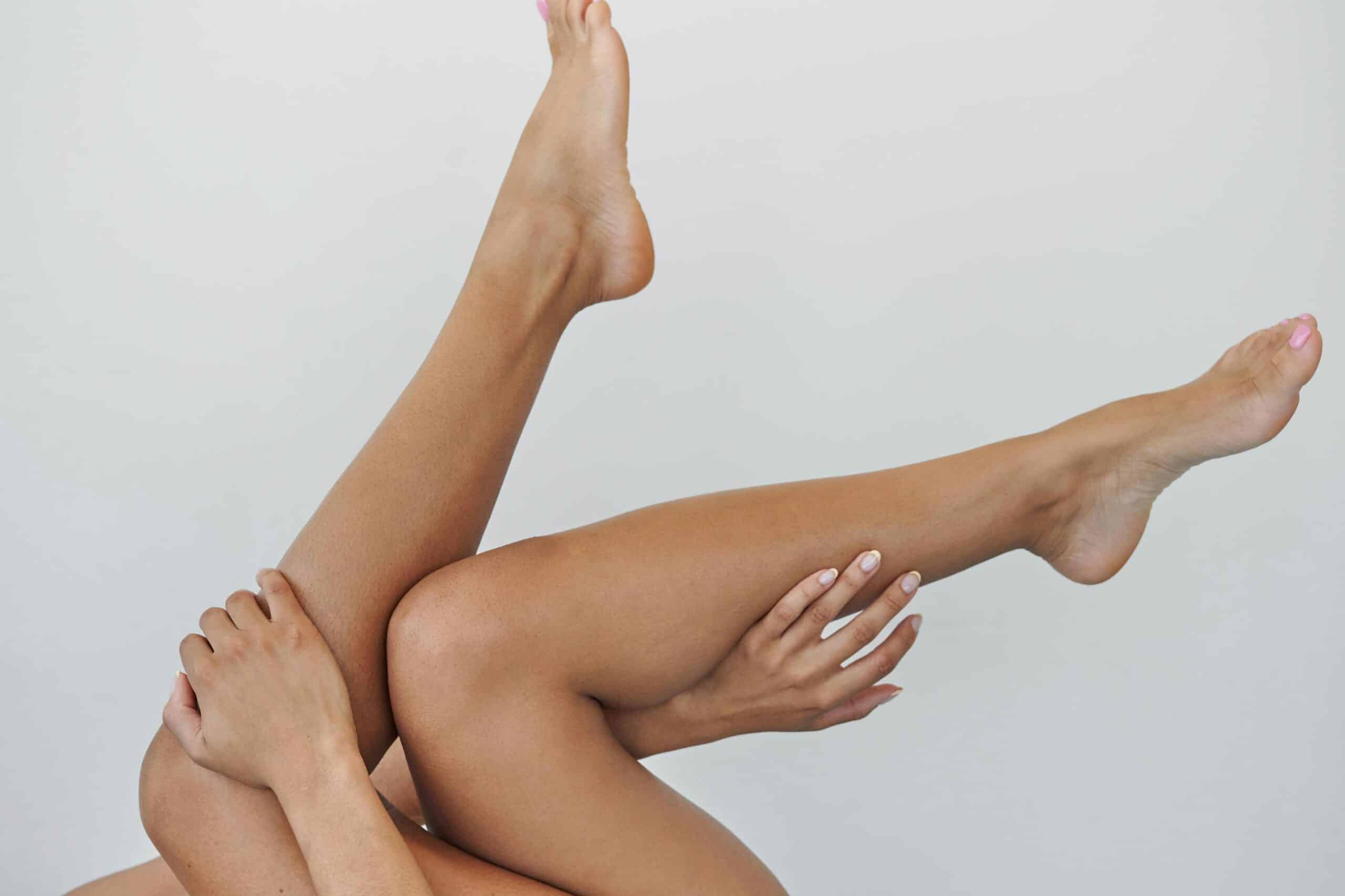
Deep tissue massage in an aesthetic context suits people who are undergoing body contouring treatments and want to optimise their results, those dealing with cellulite who want a complementary approach to device-based treatments, and those who want to support lymphatic flow and reduce puffiness or fluid retention in the body.
It is particularly valued as a support treatment rather than a standalone solution. The results of body contouring treatments such as fat freezing are generally improved when deep massage is incorporated into the protocol, as the massage supports the breakdown and elimination of the treated fat cells. For cellulite, consistent massage over time produces gradual improvement in the appearance of the skin surface, though complete resolution of cellulite is rarely achievable through massage alone.
Deep tissue massage is not appropriate immediately after certain treatments where the skin or tissue is sensitive or healing, or in areas with active inflammation, open wounds, or recent injectable treatment. A provider will advise on the appropriate timing relative to any other treatments being undertaken.
Frequently Asked Questions: Deep Tissue Massage
After a fat freezing session, the targeted fat cells have been crystallised by the cold but are still physically present in the tissue. Firm massage applied to the treated area immediately after the procedure helps to physically break up the treated fat cells, which the body then processes and eliminates over the following weeks. Some clinical evidence and widespread clinical practice supports the use of post-treatment massage as a way to improve the consistency and extent of fat reduction results compared to no massage after treatment.
Deep tissue and lymphatic massage can improve the appearance of cellulite over time, but cannot eliminate it entirely. Cellulite is caused by fibrous bands pulling the skin down over fat deposits, and consistent deep massage can help soften and loosen some of these fibrous connections, reducing the severity of the dimpling. The effect is enhanced when massage is combined with other treatments such as radiofrequency or acoustic wave therapy that target the structural causes of cellulite more directly. Results from massage alone are gradual and require consistent treatment to maintain.
Deep tissue massage uses firm, sustained pressure to work on the deeper layers of muscle and connective tissue, addressing tension, fibrosis, and circulation in the tissue itself. Lymphatic drainage massage uses very light, rhythmic strokes applied to the skin surface in specific directions designed to encourage movement of fluid through the lymphatic vessels, which run just below the skin. The two techniques have different purposes and different sensations: deep tissue is firm and can be intense, while lymphatic drainage is extremely gentle. In some aesthetic protocols both are used in combination, with one supporting the structural tissue and the other supporting fluid clearance.
For post-fat-freezing support, a single session immediately after treatment is the standard recommendation. For cellulite improvement, a consistent programme of sessions is needed to see meaningful change, typically at least six to ten sessions over several weeks, with ongoing maintenance thereafter to sustain the improvement. For general lymphatic support and body wellness, sessions once a week or every two weeks are common depending on individual goals and response. A therapist can advise on the most appropriate frequency based on the specific concern and treatment plan.

We’re Listening

Got Goals?
We’re Listening.
Book your no-pressure, no-cost You Review and let’s talk about your vision.