Skin Care Education
Keratosis Pilaris
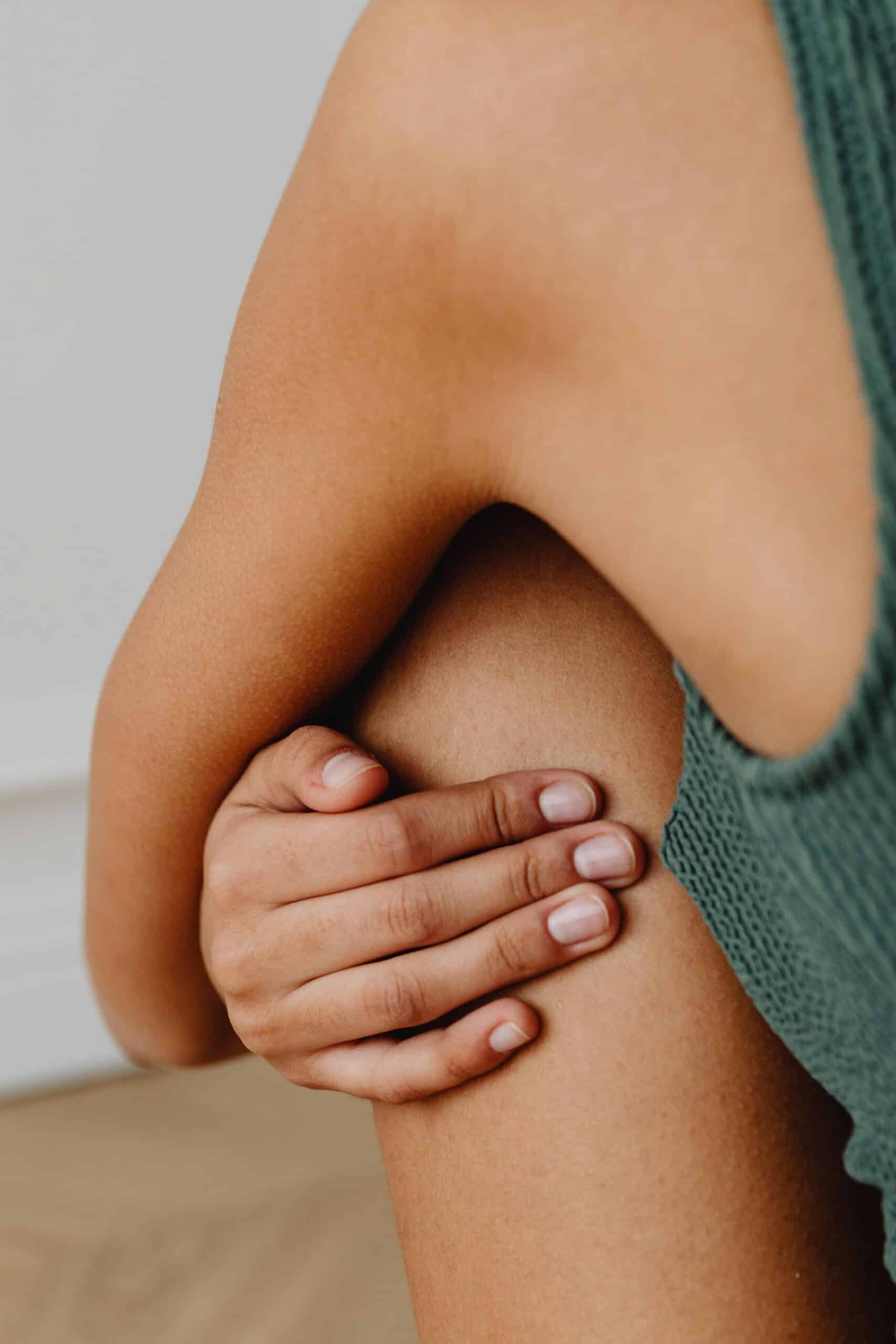
A common, harmless genetic skin condition causing small rough bumps on the upper arms, thighs, buttocks, and sometimes the cheeks. Caused by a build-up of keratin within the hair follicles.
Table of Contents
What Is Keratosis Pilaris?
Keratosis pilaris is a common skin condition in which excess keratin, a naturally occurring structural protein found in hair, nails, and the outer layer of the skin, accumulates inside hair follicles and blocks their openings. The resulting plugs create the small, raised, rough bumps characteristic of the condition. The skin surface in affected areas typically has a texture frequently described as similar to sandpaper, goosebumps, or chicken skin.
It affects an estimated 40 percent of adults and up to 80 percent of adolescents to some degree, making it one of the most prevalent skin conditions. Despite this, many people who have it are unfamiliar with its name and simply accept the texture as a normal characteristic of their skin rather than a recognisable, manageable condition. The most common locations are the outer upper arms, the anterior thighs, the buttocks, and in some individuals the cheeks and lateral face.
Keratosis pilaris is entirely benign and has no medical significance beyond its cosmetic and textural effect. It cannot be permanently cured, as the genetic predisposition to keratin accumulation within the follicles persists throughout life. Its appearance and texture can however be significantly improved with consistent and appropriate management, and in many individuals the condition naturally improves from middle adulthood onward.
Causes and Contributing Factors
| Factor | Description |
|---|---|
| Genetic predisposition | Keratosis pilaris has a very strong hereditary component and runs clearly in families. It is more common in individuals who also have a personal or family history of atopic dermatitis, asthma, or allergic rhinitis, reflecting a shared genetic background across the atopic spectrum. The specific genetic variants responsible have not been fully characterised, but the hereditary pattern is well established. |
| Keratin overproduction and accumulation | The fundamental mechanism involves the overproduction or abnormal processing of keratin within the hair follicle. Rather than being shed normally, keratin accumulates and forms a plug that blocks the follicular opening, creating the characteristic raised bump. The surrounding skin reacts to this plug, sometimes with mild redness or inflammation around the bump. |
| Dry skin conditions | Keratosis pilaris is significantly worsened by dry skin and dry environmental conditions. When the skin lacks adequate moisture, the outer skin layer becomes thicker and keratin accumulates more readily within the follicles. Cold weather, low humidity, indoor heating, and insufficient moisturisation all exacerbate the condition. |
| Hormonal influences | Keratosis pilaris most commonly develops or intensifies during puberty, when hormonal changes affect skin characteristics. It can also flare during pregnancy. This hormonal sensitivity explains why it is so prevalent in adolescents and why it often improves naturally in adulthood as hormonal profiles change. |
| Ichthyosis and related conditions | Individuals with ichthyosis vulgaris, a common inherited condition that affects the skin’s ability to shed its outer cells normally, have a substantially higher prevalence of keratosis pilaris. The two conditions are linked through shared mechanisms of abnormal keratin processing. |
| Age | Keratosis pilaris is typically most prominent during adolescence and tends to improve naturally from the mid-20s to 30s onward in many individuals. The improvement with age is not universal, and some people continue to experience it throughout adult life, but the natural course of the condition tends toward gradual improvement rather than progression. |
Frequently Asked Questions: Keratosis Pilaris
No. Although both conditions involve blocked hair follicles and produce raised bumps on the skin surface, they are fundamentally different. Keratosis pilaris is caused by an accumulation of keratin protein within the follicle, producing a hard, rough plug. Acne is caused by a combination of excess sebum, dead skin cells, and bacterial activity within the follicle, producing inflamed, pus-containing lesions. The two conditions can coexist on the same individual but they have different mechanisms, different distributions, and require different approaches. Keratosis pilaris bumps are characteristically rough and non-inflamed, whereas acne lesions are typically inflamed and may contain pus.
No. Keratosis pilaris cannot be permanently eliminated because the genetic tendency for abnormal keratin accumulation within the follicles is a lifelong characteristic. Consistent management with appropriate exfoliation, moisturisation, and sometimes targeted skincare ingredients can produce significant improvement and maintain smoother skin texture. However, if management is discontinued, the keratin plugs will reform and the rough texture will return. The goal of management is sustained improvement rather than permanent resolution.
Because the condition is significantly influenced by skin hydration and the moisture content of the environment. In winter, ambient humidity falls, indoor heating reduces moisture in the air further, and cold temperatures reduce the skin’s own oil production. All of these factors contribute to drier skin, which creates more favourable conditions for keratin accumulation within the follicles and makes the bumps more prominent and the surrounding skin rougher and more irritated. Consistent moisturisation is particularly important during winter months for those with keratosis pilaris.
Yes. When keratosis pilaris affects the face it typically appears on the cheeks, sometimes the lateral forehead, and occasionally the eyebrow area. The bumps on the face tend to be smaller and less pronounced than those on the body and are sometimes accompanied by a background of faint redness or a mildly rough texture. Facial keratosis pilaris is sometimes confused with other conditions including milia, acne, or folliculitis. Confirmation from a dermatologist is recommended for facial presentations, as the appropriate management approach for facial skin differs from body-focused approaches.

Got Goals?
We’re Listening.
Book your no-pressure, no-cost You Review and let’s talk about your vision.