Skin Care Education
Botox for Forehead Lines and 11s: What to Expect and How It Works
Forehead lines and 11s are the two most commonly treated areas in aesthetic medicine, and for good reason. They develop early, they are visible in every conversation, and Botox has a long, well-documented track record of reducing them effectively. Here is a clear-eyed account of how the treatment works and what to realistically expect.
Table of Contents
Key takeaways
- Forehead lines are horizontal creases caused by repeated frontalis muscle movement when raising the eyebrows. 11s are the vertical lines between the brows caused by the corrugator and procerus muscles when squinting or frowning.
- Botox temporarily relaxes the muscles responsible for these movements, reducing the depth of existing lines and slowing the formation of new ones.
- Results appear within three to seven days and reach full effect at two weeks. Most clients maintain results with sessions every three to four months.
- The ‘frozen’ look is a technique and dose issue, not an inevitable outcome. Experienced providers calibrate dose to preserve natural movement while softening lines.
- Treating both areas together is common because the frontalis and glabellar muscles work in opposition. Treating one without considering the other can affect brow position.
What causes forehead lines and 11s?
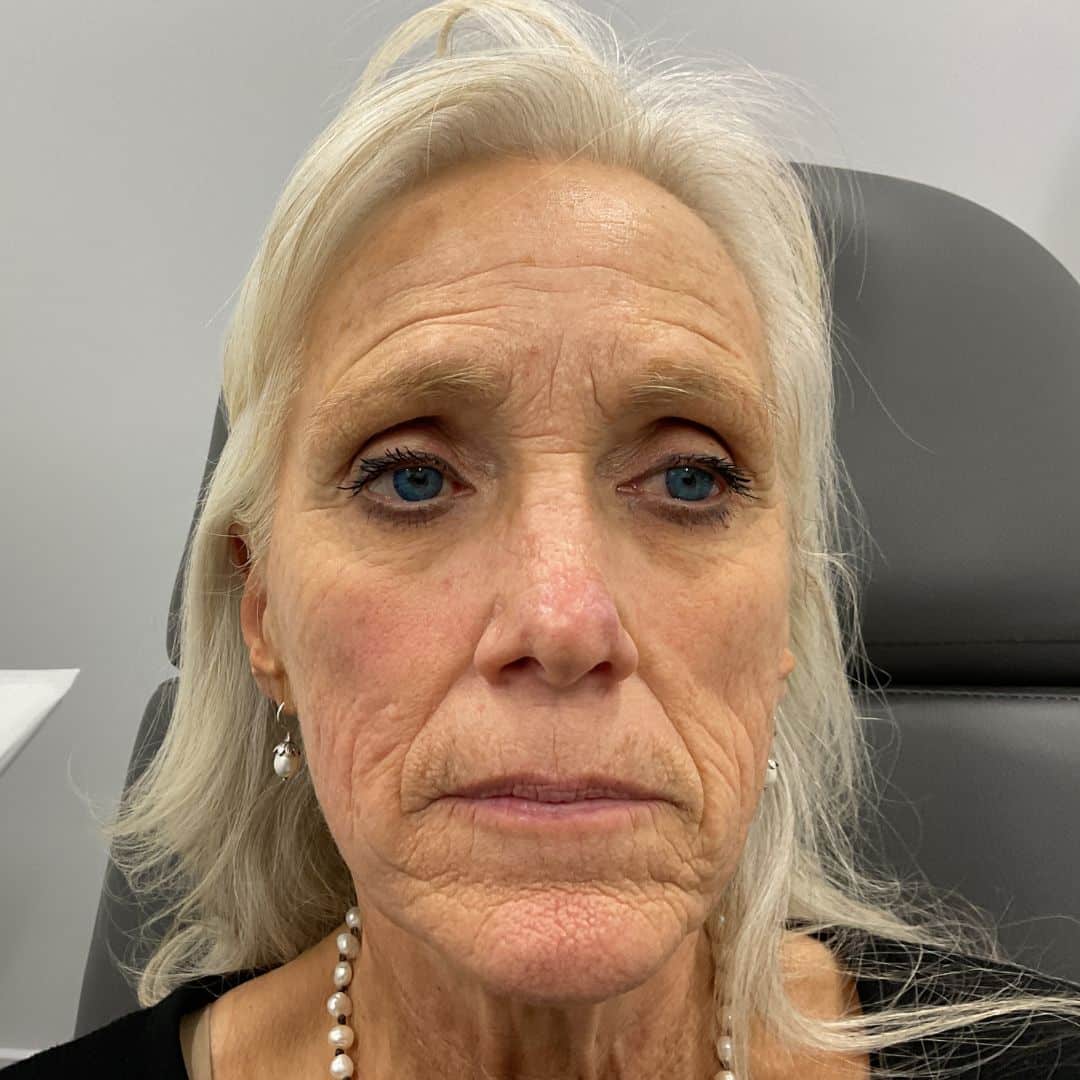
Horizontal forehead lines form from decades of frontalis muscle contraction — the muscle that lifts the eyebrows. Every expression that raises the brows etches the skin a little more. Over time, those creases deepen and remain visible at rest, not just during expression.
The 11s (clinically called glabellar lines) form from a different set of muscles: the corrugators and procerus, which draw the brows together when squinting, concentrating, or frowning. These lines typically run vertical or diagonal between the brows and are often among the first to appear and the most frustrating to clients because they can read as angry or tense at rest.
How Botox works on these areas
Botox is a purified neurotoxin protein that blocks the nerve signals that tell a muscle to contract. When injected into the frontalis or glabellar muscles in small, precise amounts, it temporarily reduces the contraction that creates those lines. The skin above those muscles gets a rest from repeated folding, existing lines soften, and the formation of new creases slows.
The effect is temporary because nerve signaling gradually returns as the body metabolizes the protein. This is why maintenance sessions are part of the plan.
Forehead lines vs 11s: treating them together
| Forehead lines | 11s (glabellar lines) | |
|---|---|---|
| Muscle | Frontalis (lifts brows) | Corrugators + procerus (draw brows together) |
| Movement | Raising eyebrows | Squinting, frowning, concentrating |
| Direction | Horizontal lines | Vertical or diagonal lines between brows |
| Treating alone? | Possible but affects brow position — provider assesses | Can be treated alone; often paired with forehead |
| Units typical | Varies by strength of muscle and desired result | Varies; discussed at You Review |
A note on treating these areas together: the frontalis and glabellar muscles work in opposition. When the frontalis is relaxed, some clients compensate by raising their brows more, which can create or worsen 11s. Conversely, treating only the 11s without addressing the forehead can change how the brow sits. Your provider assesses this relationship at the You Review and maps the right approach for your anatomy.
What about the frozen look?
The frozen look — the expressionless, overly smooth outcome sometimes associated with Botox — is a result of too much product in the wrong places, not an inevitable outcome of treatment. Experienced providers use conservative dosing in areas that need to retain movement, focus on the lines rather than blunting every expression, and assess each client’s anatomy individually.
Many clients at OrangeTwist Princeton start conservatively and adjust over subsequent sessions once they see how their muscles respond. The goal is a softer, more rested appearance with natural movement preserved.
What to expect: timeline and results
| Stage | What to expect |
|---|---|
| Day 1-3 | Minor redness or pinpoint marks at injection sites; resolves quickly |
| Days 3-7 | Muscles begin to relax; lines start softening |
| Week 2 | Full effect visible — peak result |
| Months 3-4 | Effect gradually fades as nerve signaling returns |
| Maintenance | Most clients plan sessions every 3 to 4 months to sustain result |
How our Princeton team approaches forehead and 11s treatment
The Princeton team starts with a movement assessment at the You Review — watching how your forehead and glabellar muscles activate during natural expression, understanding which lines bother you most, and discussing your goals for how natural you want to look. That assessment shapes the plan: which areas to treat, how much product to use, and what the realistic outcome looks like for your anatomy.
Botox for forehead lines and 11s: Frequently Asked Questions
Most clients see results for three to four months before the effect gradually fades. Clients who stay consistent with maintenance often find their results last slightly longer over time as muscles adapt.
Units vary based on muscle strength, the area being treated, and the degree of correction desired. Your provider gives you a specific number at the You Review after assessing your muscles.
Not with careful technique and appropriate dosing. Experienced providers calibrate the amount to soften lines while preserving natural movement. Starting conservatively and adjusting over sessions is a common approach.
Yes, and it is often the recommended approach. Treating both areas together allows your provider to balance the frontalis and glabellar muscles appropriately for your anatomy.
It can slow their deepening. By reducing the muscle contractions that etch lines into the skin, regular Botox treatment helps prevent new lines from forming and existing ones from deepening.
All three are neurotoxins that work the same way. They differ in formulation, spread characteristics, and onset time. Your provider selects the right one for your treatment at the You Review.
Cost depends on the areas treated and the number of units your plan requires. Your provider gives you a clear, itemized total at your complimentary You Review.
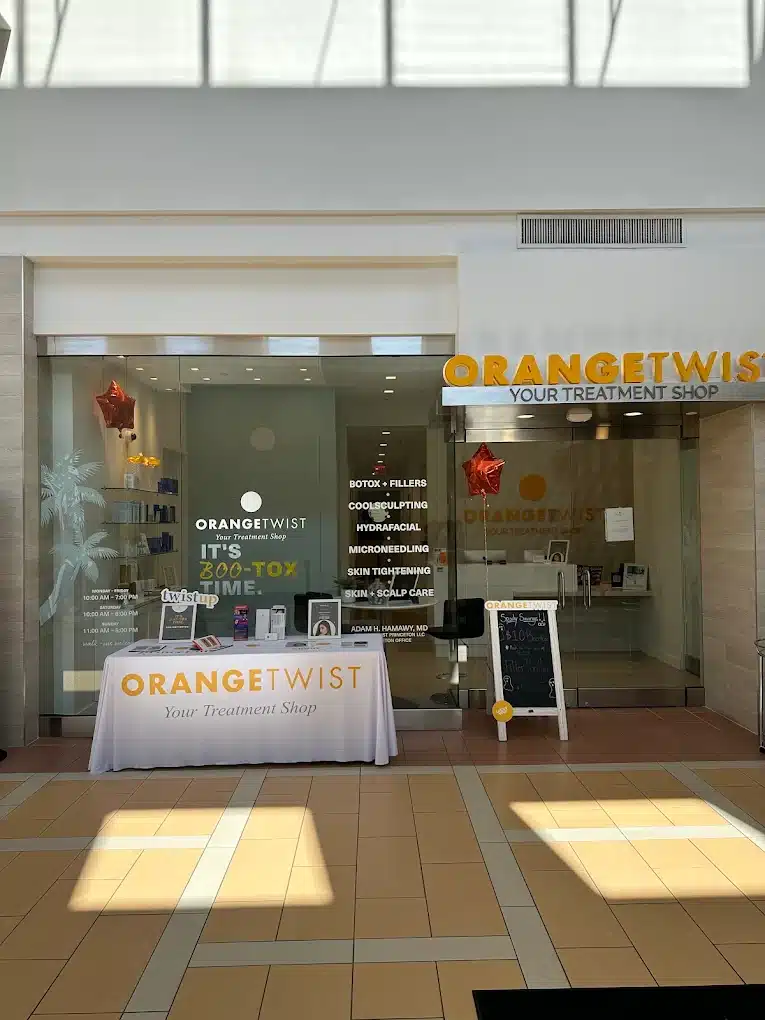
OrangeTwist Princeton is at 3535 US-1 South, Suite 463A, Princeton, NJ 08540, in MarketFair on US-1 South. Free parking is available in the mall lot. Call (609) 445-1200 or email Princeton@OrangeTwist.com and the team will help from there.
The bottom line
Botox for forehead lines and 11s is one of the most well-established, predictable treatments in aesthetic medicine. Results depend on technique and dose — the right provider assesses your anatomy and calibrates accordingly. A complimentary You Review at OrangeTwist Princeton is where that conversation starts.
Ready when you are
Book a complimentary You Review and we will assess your muscles, explain what the treatment can realistically do for your lines, and map a plan built around your goals.
Visit us in Princeton

Monday
Tuesday
Wednesday
Thursday
Friday
Saturday
Sunday
9:00 AM – 6:00 PM
9:00 AM – 6:00 PM
9:00 AM – 6:00 PM
9:00 AM – 6:00 PM
9:00 AM – 6:00 PM
9:00 AM – 5:00 PM
10:00 AM – 5:00 PM

Got Goals?
We’re Listening.
Book your no-pressure, no-cost You Review and let’s talk about your vision.