Skin Care Education
How Much Does Botox Cost, and Why Do Prices Vary So Much?
Search for Botox pricing and you will find numbers that all sound authoritative and do not agree with each other. That is not because someone is wrong. Botox is priced by the unit, and the number of units, the area treated, the product used, and the experience of the person injecting all move the final price in real ways. This guide breaks down what actually drives Botox cost, realistic ranges for what you should expect to pay, the red flags that separate a genuine deal from a corner being cut, and how pricing works at our Fort Worth South center.
Table of Contents
Botox is typically priced between $10 and $20 per unit nationally, with premium urban markets sometimes reaching $20 to $25 and smaller markets running $8 to $13. Most single-session treatments land between $300 and $600, though larger areas like the masseter muscles can run higher. The biggest drivers of price are geography, the product brand used, how many units your specific face needs, and the training and experience of your injector. Prices well below this range are a red flag worth asking about directly, not simply a bargain
Key takeaways
- Botox is priced by the unit, typically $10 to $20 nationally, with the total cost depending on how many units your specific face and goals require, not a flat per-session fee.
- Most single-session Botox treatments cost between $300 and $600, though larger areas such as the masseter muscles for jaw slimming commonly cost more due to the higher unit count involved.
- Geography is a major factor. Premium metropolitan markets often run $20 to $25 per unit, while smaller markets can be $8 to $13.
- Prices significantly below the typical range are a genuine red flag, not just a good deal, since they can indicate diluted product, expired vials, or an unlicensed injector.
- The lowest quote is not automatically the best value, and the highest quote is not automatically overpriced. Comparing the total unit count and the provider’s training matters more than comparing sticker prices alone.
Why Botox prices vary so much
Botox pricing looks chaotic from the outside because several genuinely different things are all being called the same word: price. A per-unit rate, a per-area package price, and a per-session total can all describe the same treatment and still look completely different on a price list. Understanding what actually moves the number helps you compare quotes properly rather than just picking whichever one looks lowest.
- Geography. Cost of living and local demand push per-unit pricing higher in major metropolitan markets and lower in smaller ones. The same treatment plan can genuinely cost more in one city than another.
- Product brand. Botox Cosmetic, Dysport, Jeuveau and Daxxify are all FDA-approved neuromodulators, and each is priced somewhat differently based on manufacturer cost and how the practice buys it.
- Unit count, not a flat fee. Your specific dose depends on your muscle strength and the area treated, assessed at your consultation, not a number that is the same for everyone requesting the same area.
- Treatment area. Smaller areas like a lip flip need relatively few units. Larger or stronger muscle groups, such as the masseter for jaw slimming, need considerably more, which raises the total even at the same per-unit rate.
- Provider training and overhead. A practice with a supervising physician, licensed injectors and real consultation time has different costs to cover than a walk-in clinic offering the lowest advertised rate in town.
- Per-unit versus per-area pricing models. Some practices quote strictly by the unit. Others quote a package price per area that may or may not be transparent about the unit count behind it, which is worth asking about directly.

Realistic price ranges
| What you are pricing | Typical range | Why |
|---|---|---|
| Per unit, national average | $10 to $20 | Premium urban markets often run $20 to $25; smaller markets can run $8 to $13 |
| Forehead lines alone | $200 to $400 | Smaller muscle group, fewer units needed |
| Standard three areas (forehead, glabella, crow’s feet) | $300 to $600 | The most common first-time treatment plan |
| Masseter (jaw slimming) | $400 to $1,500 | Larger muscle group requiring significantly more units per side |
| Below roughly $7 to $8 per unit | Treat as a red flag | May indicate diluted product, expired vials, or an unlicensed injector rather than a genuine deal |
What separates a fair price from a corner being cut
A price that looks too good to be true in aesthetics usually is, and the ways it goes wrong are worth knowing before you book anywhere on price alone.
- A quote given before anyone has looked at your face. Real pricing depends on your muscle strength and goals, assessed in person, not a number recited over the phone.
- No clarity on unit count. If a practice will not tell you how many units are included in a package price, you cannot actually compare it to a per-unit quote elsewhere.
- Pricing far below the typical per-unit range. This is the clearest warning sign of diluted, expired, or counterfeit product, or an injector working outside proper training and supervision.
- No mention of who is actually injecting, or their licensure. Price comparisons only make sense between comparable providers.
- Pressure to book immediately to lock in a promotional rate before any assessment has happened.
None of this means the cheapest option in your area is automatically wrong, or that the most expensive is automatically right. It means the price only tells you something useful once you know what is actually included.
What a transparent quote should include
- A stated per-unit price, or a clearly itemized package price that tells you the unit count included.
- Which product is being used, and confirmation it is sourced through an authorized distributor.
- Who is actually performing the injections, and their licensure.
- What happens if you are not fully happy with the result, including any follow-up or adjustment policy.
- Membership or loyalty pricing, if relevant to you, explained clearly rather than assumed.
A provider willing to walk through all of this plainly, without getting defensive, is a stronger signal than any advertised price on its own.
The real cost is ongoing, not one session
Botox typically lasts three to four months, which means most clients treating consistently need three to four sessions a year to maintain results, not one. Budgeting for a single session price without accounting for this is the most common way people are surprised by the real annual cost of Botox. Membership programs that build in a discount across the year exist precisely because this is a recurring cost, not a one-time purchase.
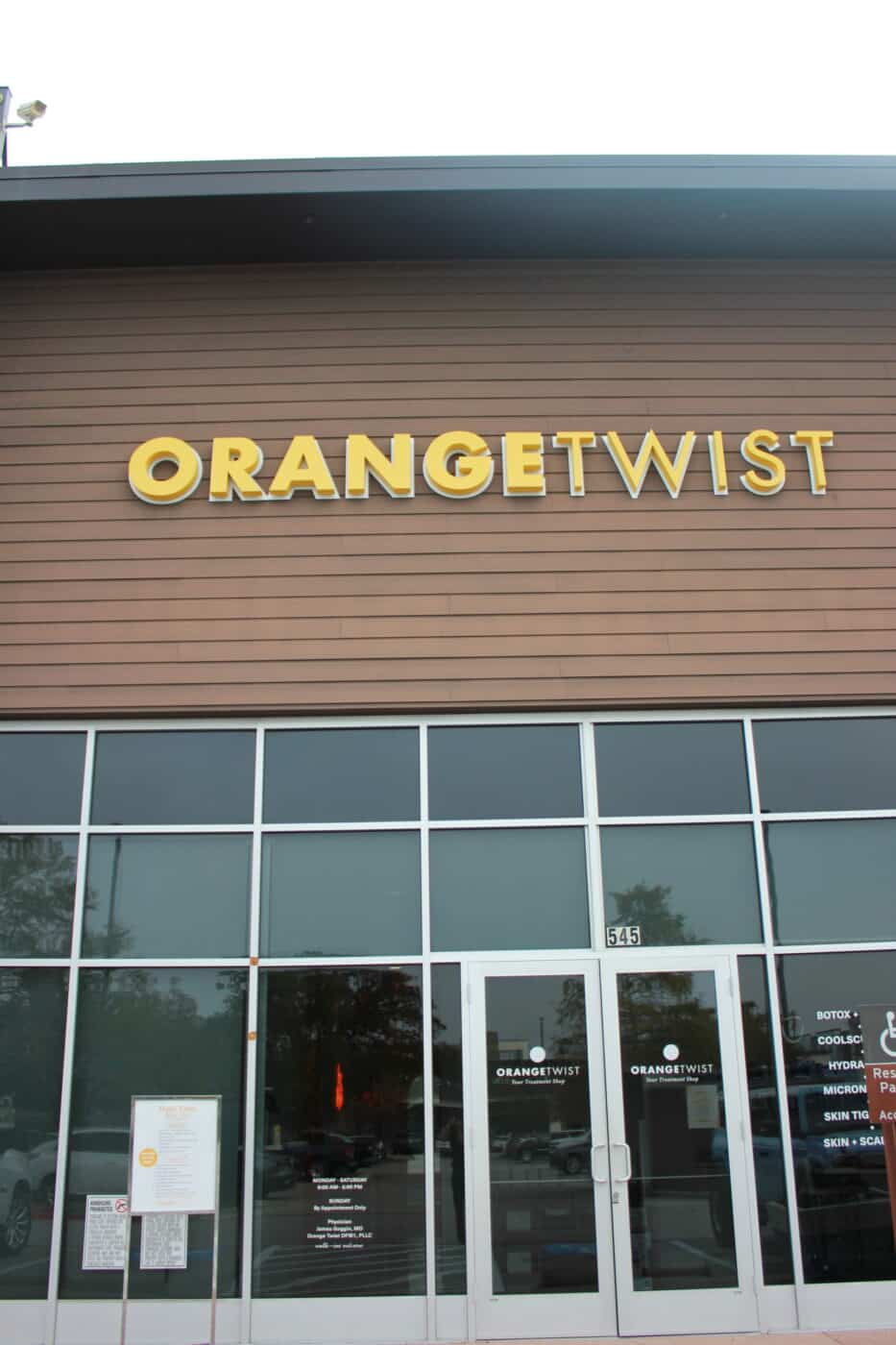
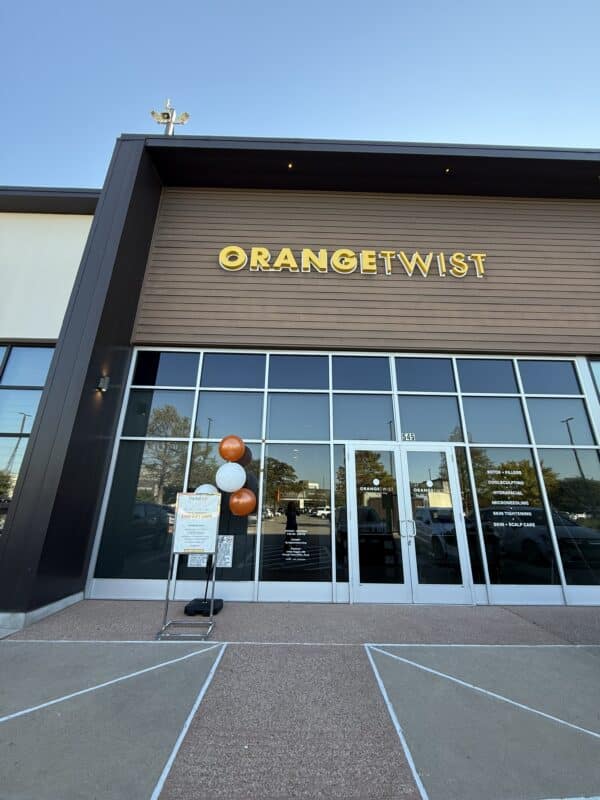
How pricing works at OrangeTwist Fort Worth – South
Pricing at our Fort Worth South center depends on the product used and how many units your specific plan calls for, assessed honestly at your complimentary You Review before anything is agreed. TwistUp members receive member pricing across the menu, and your provider will walk you through an itemized price, not a vague package rate, so you know exactly what you are paying for.
The goal of that conversation is not to sell you the maximum number of units. It is to tell you plainly what your face actually needs, and to price that honestly.
Frequently Asked Questions
Nationally, Botox typically costs $10 to $20 per unit. Premium metropolitan markets often run $20 to $25 per unit, while smaller markets can be as low as $8 to $13. Prices significantly below this range are worth asking direct questions about, since they can indicate diluted or expired product.
Most single-session treatments covering a standard combination of areas, such as the forehead, glabella and crow’s feet, cost between $300 and $600. Smaller treatments like forehead lines alone often run $200 to $400. Larger muscle groups such as the masseter for jaw slimming commonly cost more, sometimes $400 to $1,500, due to the higher unit count required.
It could be a genuinely lower cost of living in that market, a promotional rate, or a membership discount. It could also mean diluted product, an expired vial, or an injector working without proper training or supervision. A per-unit price far below the typical national range is worth a direct question about the product and who is injecting, not an automatic reason to book.
A lower price within the normal range, especially through a membership or loyalty program, can be a genuine value. A price far outside the normal range is a different situation entirely, and is the more common way people end up with a disappointing or unsafe result. Compare the total plan and the provider’s credentials, not just the number.
This varies by provider, which is exactly why it is worth asking before you book rather than after. A responsible practice will tell you plainly whether a follow-up review and any adjustment are included in the price or billed separately.
Pricing starts at $12 per unit with a one-time injection fee per visit, depending on the product used and how many units your specific plan calls for. Your provider gives you a clear, itemized price at your complimentary You Review, and TwistUp members receive member pricing across the menu.
The bottom line
Botox prices vary because unit count, product, geography and provider training are all genuinely different from one practice to the next, not because pricing is arbitrary. A fair quote is transparent about all four. A price that looks dramatically lower than the rest of the market is a signal to ask more questions, not a reason to book faster. A complimentary You Review at our Fort Worth South center is where that conversation happens honestly, with an itemized price built around your specific face.
Ready when you are
Book a complimentary, no pressure You Review and we will build the right plan for you, with no obligation to book treatment.
Monday
Tuesday
Wednesday
Thursday
Friday
Saturday
Sunday
9:00 AM – 6:00 PM
9:00 AM – 6:00 PM
9:00 AM – 6:00 PM
9:00 AM – 6:00 PM
9:00 AM – 6:00 PM
9:00 AM – 5:00 PM
Closed


Got Goals?
We’re Listening.
Book your no-pressure, no-cost You Review and let’s talk about your vision.