Skin Care Education
IPL Photofacial for Pigmentation in Westlake Village: What to Expect
Conejo Valley living comes with a lot of sunshine, and skin keeps score: sun spots, freckling, redness, and a tone that stopped looking even somewhere along the way. An IPL photofacial is one of the most established ways to address that pigmentation. Here is how it works, what a series looks like, and the honest safety conversation that should come before any light-based treatment.
Table of Contents
Key takeaways
- IPL, or intense pulsed light, targets the pigment and small vessels behind sun spots, freckles, redness, and uneven tone.
- Most clients do a series of four to six sessions, with treated spots darkening briefly and then flaking away over one to two weeks.
- Fall and winter are the best seasons to treat, and daily SPF is essential during and after a series.
- IPL is not appropriate for every skin tone. Your provider assesses your skin carefully at the You Review, because safety on darker Fitzpatrick types depends on honest screening.
What is an IPL photofacial?
IPL stands for intense pulsed light, a technology that delivers broad-spectrum flashes of light into the skin, where the energy is absorbed by melanin in sun spots and by hemoglobin in the small vessels behind redness. The pigment darkens, rises, and flakes away over the following weeks, while vessels gradually close down. It is one of the longest-established light treatments in aesthetic medicine, and at OrangeTwist Westlake Village it is delivered by our registered nurses as part of a planned series.

How IPL works
Unlike a laser, which uses a single wavelength, IPL delivers a broad spectrum of light filtered to suit your skin and your concern. That breadth is its strength: one platform can address brown pigment, red vessels, and general tone in the same session. Your provider selects filters and settings after assessing your skin, which is why the same device can produce very different results in different hands.
Sessions are quick, typically well under an hour for the face, and feel like a series of warm snaps against the skin. There is no broken skin and minimal downtime: treated spots look darker for a few days, a sign the light found its target, before flaking away.
The types of concerns we can treat with IPL
- Sun spots, age spots, and freckling from accumulated UV exposure
- Redness and small broken capillaries across the cheeks and nose
- Blotchy, uneven tone that concealer no longer evens out
- Overall dullness in sun-stressed skin
Two honest limits matter here. First, IPL is a tone treatment, not a texture or wrinkle treatment, so deeper lines and scarring call for different tools. Second, melasma needs particular caution: light-based treatments can sometimes make melasma worse, so your provider will assess it carefully rather than promising IPL as a fix.
And because IPL targets melanin, it is not appropriate for every skin tone; darker Fitzpatrick types carry a higher risk of unwanted pigment change, and a responsible provider screens for that honestly before treating.
IPL compared with BBL
You will see both terms used for photofacials, and they are related. BBL is Sciton’s refined, brand-name version of the same light-based family, while IPL is the broader category. Both treat pigmentation and redness; the differences are in wavelength control and protocol.
| IPL photofacial | BBL photofacial | |
|---|---|---|
| What it is | Broad-spectrum intense pulsed light, the established category | Sciton’s branded broadband light platform within that family |
| Treats | Sun spots, redness, uneven tone | Sun spots, redness, uneven tone |
| Wavelengths | Broad spectrum with filters | Refined, tighter wavelength control |
| Sessions | Typically 4 to 6 | Typically 3 to 6 |
| Bottom line | Provider skill and settings matter as much as the platform | Provider skill and settings matter as much as the platform |
Results and timeline
Expect treated pigment to darken over the first few days, then flake away across one to two weeks, revealing clearer, more even skin underneath. Redness improves more gradually over the series. Most clients see meaningful change after two or three sessions, with the full result across four to six visits spaced about a month apart, then a maintenance session or two per year.
Season matters. Fall and winter are the practical window for a series in Southern California, because treated skin needs strict sun protection and an active tan interferes with how the light reads pigment. Daily SPF is the non-negotiable companion to any photofacial plan, and the single best protector of your results.
How our Westlake Village team approaches IPL
At our Westlake Village center, IPL starts with an honest read of your skin: your tone, your history with sun, and whether light is the right tool at all. The plan is built as a realistic series with seasonal timing, and the team is direct about the cases where IPL is not the answer, including melasma-prone skin and deeper Fitzpatrick types where safety comes first. That screening conversation happens at your complimentary You Review, before anything is booked.
IPL Photofacial: Frequently Asked Questions
Most clients describe it as warm snaps against the skin, like small rubber band flicks, over quickly and adjusted to your comfort. Skin may feel warm for a short while afterward, like mild sun exposure.
Most clients do four to six sessions spaced about a month apart, then maintain with a session or two per year. Your provider maps a realistic number for your skin at the You Review.
IPL is priced per session, and the total depends on how many sessions your plan needs. Your provider walks you through a clear, itemized plan and price at your complimentary You Review.
Minimal. Treated spots typically darken for a few days and then flake away over one to two weeks, and skin may look slightly flushed on the day. Most clients go straight back to their routine with SPF on.
Not always, and honesty matters here. Because IPL targets melanin, darker Fitzpatrick types carry a higher risk of unwanted pigment change. Your provider will assess your skin carefully and, where IPL is not the safe choice, recommend an alternative rather than proceeding.
Cautiously, and sometimes not at all. Melasma can worsen with heat and light, so your provider will evaluate it individually and be direct about whether IPL is appropriate or whether a different plan suits you better.
Fall and winter. A series needs strict sun protection, and active tanning interferes with treatment, so the cooler months are the practical window.
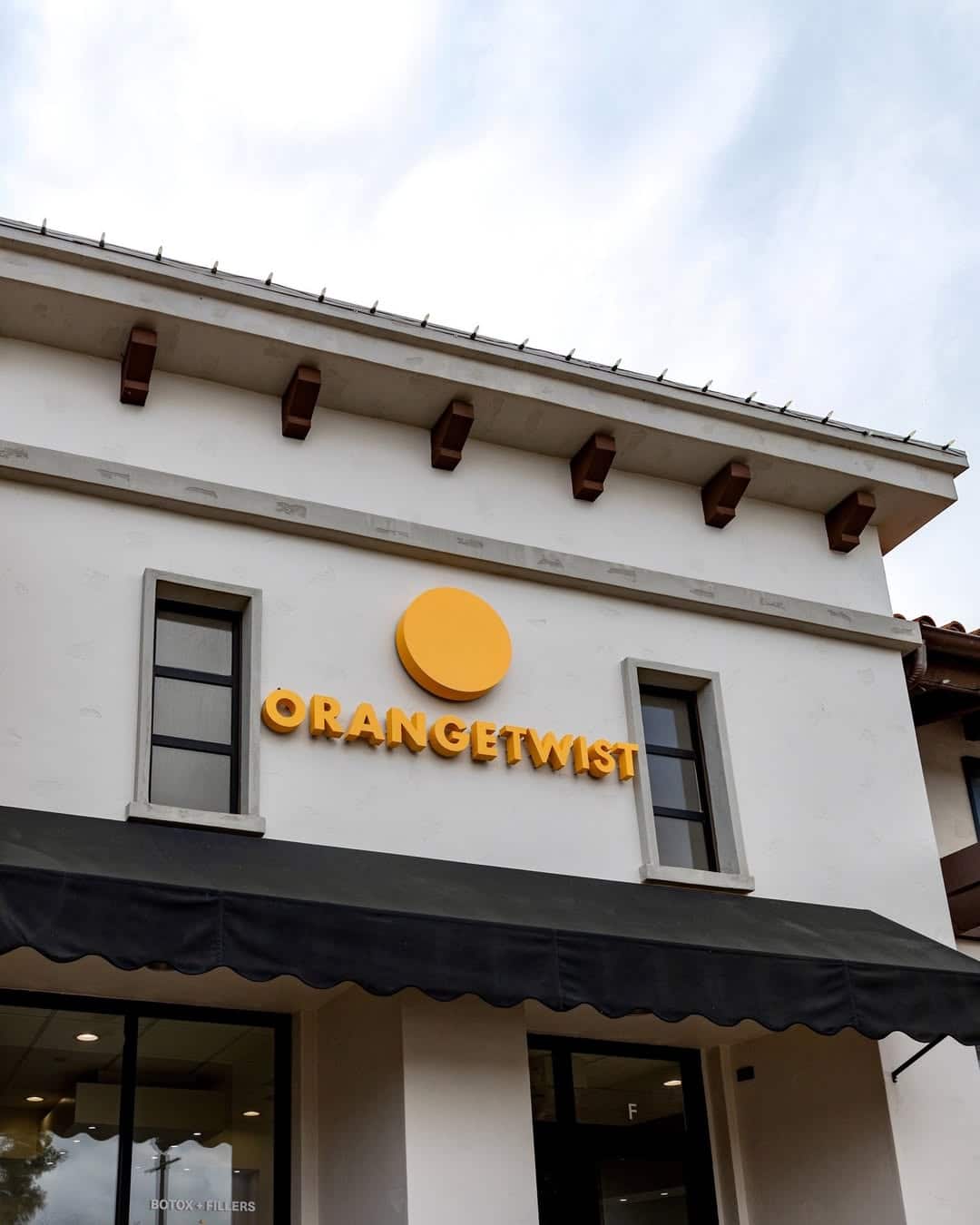
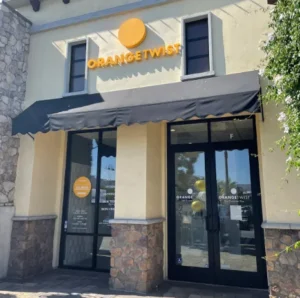
OrangeTwist Westlake Village is at 30750 Russell Ranch Road, Suite F, Westlake Village, CA 91362, on Russell Ranch Road just off the 101, minutes from The Shoppes at Westlake Village. Call (805) 202-4676 and the team will point you right to our door.
The bottom line
Book a complimentary, no-pressure You Review and we will assess your skin and map a realistic IPL plan, with no obligation to book treatment.
Ready when you are
Book a complimentary, no-pressure You Review and we will walk through what Skinvive can and cannot do for your skin, with no obligation to book treatment.
Visit us in Westlake Village
California
Westlake Village
30750 Russell Ranch Rd Ste f, Westlake Village, CA 91362, USA
Monday
Tuesday
Wednesday
Thursday
Friday
Saturday
Sunday
9:00 AM – 6:00 PM
9:00 AM – 6:00 PM
9:00 AM – 6:00 PM
9:00 AM – 6:00 PM
9:00 AM – 6:00 PM
9:00 AM – 5:00 PM
Closed


Got Goals?
We’re Listening.
Book your no-pressure, no-cost You Review and let’s talk about your vision.